

dogdog® Advisor
Why High-Quality Protein Is Essential for Dogs
Proteins perform far more functions in the body than just building muscles. They provide amino acids for tissues, enzymes, hormones, and components of the immune system. Therefore, it is not only important how much crude protein a food contains, but also which amino acids it provides and how well the dog can utilize them.
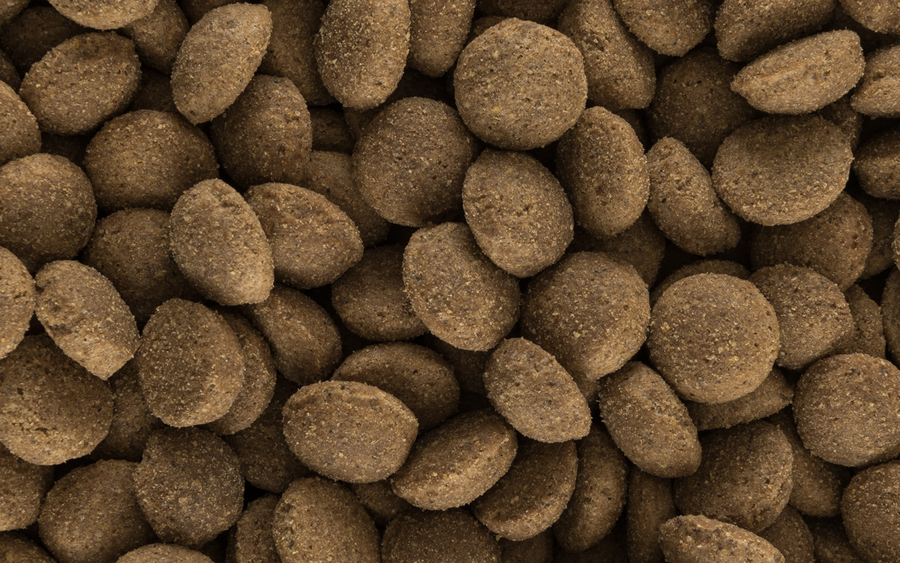
Proteins perform far more functions in the body than just building muscles. They provide amino acids for tissues, enzymes, hormones, and components of the immune system. Therefore, it is crucial not only how much crude protein a food contains, but also which amino acids it provides and how well the dog can utilize them.
Brief explanation: What is high-quality protein in dog food?
High-quality protein provides essential amino acids in a needs-based ratio and is easily digestible. A high crude protein value alone does not prove high quality. The protein source, processing, digestibility, total food amount, and life stage must be considered together.
Why does a dog need protein?
Proteins are necessary for:
- Building and maintaining muscles
- Skin and coat
- Enzymes and hormones
- Antibodies and other immune functions
- Transport processes in the body
- Growth and tissue repair
Puppies, active dogs, and older dogs at risk of muscle loss may have special requirements. However, the supply must still be balanced with energy and other nutrients.
What are essential amino acids?
Proteins are made up of amino acids. Dogs cannot produce certain amino acids in sufficient quantities themselves and must obtain them through their food. There are ten essential amino acids for dogs, including lysine, methionine, tryptophan, and leucine.
If an essential amino acid is missing in the correct proportion, the body cannot optimally use the remaining building blocks for protein synthesis.
How to recognise protein quality
Amino acid profile
A high-quality protein supply covers the essential amino acids required. Various protein sources can usefully complement each other.
Digestibility
Protein must be able to be digested and absorbed. High digestibility means that a large proportion becomes available. It cannot be read from the ingredient list alone.
Processing
Suitable processing improves safety and can influence digestibility. Excessive heat can impair certain protein structures and availability; controlled heating, on the other hand, reduces microbiological risks and anti-nutritional factors.
Quantity appropriate to needs
Protein quality does not mean maximum quantity. A balanced complete feed provides sufficient protein in relation to energy and other nutrients.
Animal or vegetable protein?
Animal proteins often have an amino acid profile that is beneficial for dogs. Plant sources can also provide valuable amino acids. The combination in the overall recipe is crucial.
The blanket statement "animal is always good, plant is always inferior" is too simplistic from a professional point of view. Origin, processing, digestibility, and amino acid supplementation determine the actual nutritional value.
What does the crude protein value indicate?
The value indicates the calculated total content of nitrogenous compounds. It does not directly state:
- from which protein sources the value originates
- how digestible the protein is
- how balanced the amino acid profile is
- how much protein the dog actually consumes per day
Two feedstuffs with the same crude protein content can therefore differ in protein quality and energy density.
Protein in Different Life Stages
Puppies
They require protein and essential amino acids for growth and development. At the same time, energy intake must be controlled.
Adult Dogs
Requirements and food quantity depend on body weight, activity, body condition, and protein quality.
Seniors
Healthy older dogs benefit from an adequate supply of high-quality protein for muscle maintenance. A blanket reduction is not necessary solely due to age.
Dogs with Illnesses
Kidney, liver, or other diseases may require a specific amount or selection. This adjustment should be handled by a veterinarian.
Is more protein automatically better?
No. More crude protein does not automatically make a food of higher quality. Dogs need a sufficient amount to meet their needs; energy intake, digestibility, and other nutrients also matter.
In cases of allergies, a specific protein source can be problematic. High protein quality does not prevent an individual allergic reaction.
Things to consider when making your choice
- Complete feed for the right life stage
- traceable protein sources
- appropriate crude protein and energy content
- individual tolerance
- transparent manufacturer information and quality control
- stable body condition and muscle mass
Conclusion
High-quality proteins provide essential amino acids in a readily usable form. Quality cannot be determined by a single percentage or ingredient. The amino acid profile, digestibility, appropriate quantity, and balanced overall formulation are crucial.