

dogdog® Advisor
How often should a dog be fed?
Once a day, morning and evening, or several small portions? The appropriate feeding frequency depends primarily on age, health, daily routine, and individual tolerance. It is not only important how often the bowl is filled, but that the total daily ration is correct.
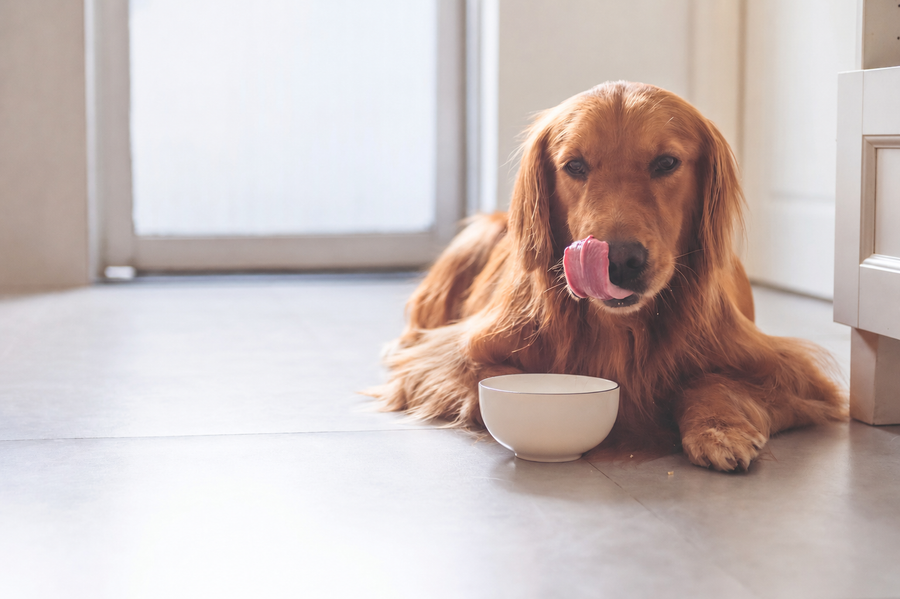
Once a day, morning and evening, or several small portions? The appropriate feeding frequency depends primarily on age, health, daily routine, and individual tolerance. It's not just about how often the bowl is filled, but that the total daily ration is correct.
Orientation by Life Stage
| Life Stage | Typical Guideline |
|---|---|
| 6–12 weeks | approx. 4 meals daily |
| 3–6 months | approx. 3 meals daily |
| 6–12 months | approx. 2 meals daily |
| Adult dog | usually 1–2 meals daily |
| Senior | often 2 smaller meals, adjust individually |
Source: Merck Veterinary Manual
Why puppies eat more frequently
Puppies grow quickly, have a high relative energy requirement, and a smaller stomach. Multiple portions distribute the daily ration better. As they get older, the number of meals can be gradually reduced.
Portions should be weighed. Four meals do not mean four times the recommended amount, but rather the division of the total daily ration.
Once or twice a day for adult dogs?
For many adult dogs, two regular meals make sense because they:
- divide the daily ration clearly
- avoid very large individual portions
- fit well into a regular daily routine
- reduce long fasting periods in some dogs
A healthy dog can also manage with one meal, depending on their habits. For large dogs, fast eaters, or those with health risks, the feeding strategy should be discussed with the vet's office.
Fixed times or flexible feeding?
Regular time slots make it easier to monitor and observe digestion. The bowl doesn't have to be ready at the exact same minute every day, but a reliable rhythm is usually more sensible than constantly available food.
Free feeding makes it difficult to assess the actual amount consumed. It may be unsuitable for dogs prone to obesity.
When multiple small meals can be beneficial
A greater division of meals can help with the following, as per veterinary recommendation:
- sensitive digestion
- certain gastrointestinal diseases
- increased or altered energy requirements
- very small dogs
- seniors with reduced appetite
- diseases where food and medication need to be timed together
However, increased frequency does not replace an appropriate total amount of food or medical treatment.
Feeding before or after the walk?
Avoid intense exercise immediately around a large meal. Plan a quiet phase after eating and postpone physical activity to an appropriate interval. For dogs with an increased risk of gastric torsion, the veterinary practice should recommend an individual plan.
Correctly calculate and divide the daily ration
- Use the specific product's feeding recommendation as a starting point.
- Weigh the daily amount with a kitchen scale.
- Include treats and chew items in the total energy count.
- Divide the daily ration by the number of meals.
- Regularly check weight and body condition score.
- Adjust the amount in case of weight gain or loss, or have it professionally reviewed.
The energy requirements can vary significantly among dogs of the same weight. The Merck Veterinary Manual describes age, activity, life stage, body composition, and environment as influencing factors.
Common Feeding Plan Mistakes
- Portion sizes by eye instead of in grams
- Not counting snacks towards the daily ration
- Multiple people feeding without coordination
- Increasing the number of meals without reducing portion sizes
- Leaving food constantly available even though the dog is gaining weight
- Activity immediately after a large meal
- Using general internet information instead of product energy density
Conclusion
Puppies need several small meals; for many adult dogs, one to two, often two, meals are practical. Senior dogs and dogs with specific health conditions may require a more individualized feeding schedule. What remains crucial are an appropriate daily amount, consistent monitoring, and a calm feeding routine.